Product was successfully added to your shopping cart.
In the early days of scuba diving, staying safe meant juggling a depth gauge, a watch, and plastic "dive tables" to manually calculate nitrogen absorption. Today, that complexity has been replaced by the scuba dive computer, a device so vital it is often considered the most important piece of equipment in a modern diver’s kit.
How It Works: Safety Through Science
The primary function of a dive computer is to prevent Decompression Sickness (DCS), or "the bends."As you descend, the increased pressure causes your body to absorb nitrogen from your breathing gas.A dive computer uses a pressure sensor and a mathematical algorithm—such as the Bühlmann or RGBM models—to track your depth and time in real-time.
Unlike rigid dive tables that assume you stay at your deepest depth for the entire dive, a computer tracks your multilevel profile.If you spend the first half of your dive at 30 meters and then move to 15 meters, the computer credits you for the shallower depth, safely extending your "bottom time" far beyond what manual calculations would allow.
Key Features and Styles
Modern dive computers come in two main styles:
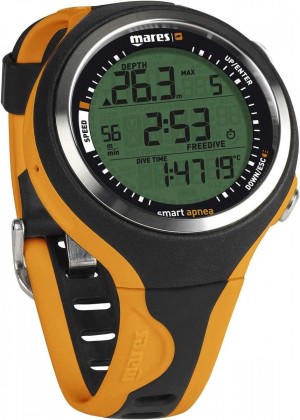
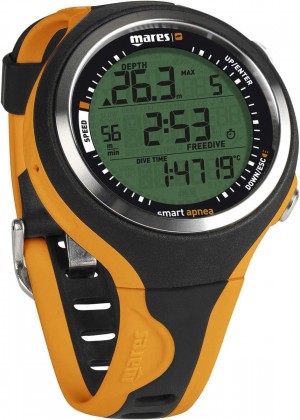
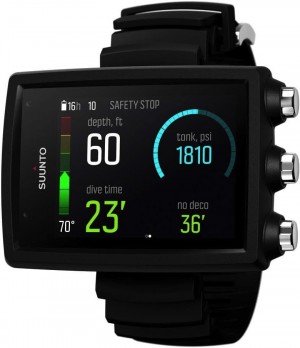
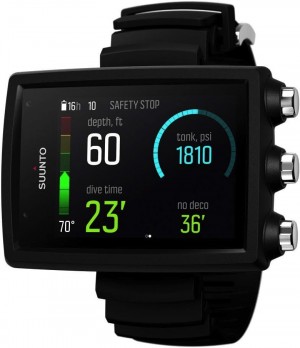
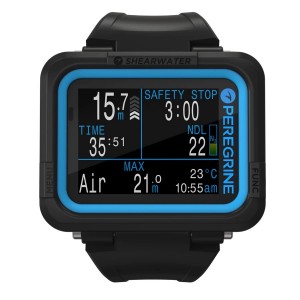
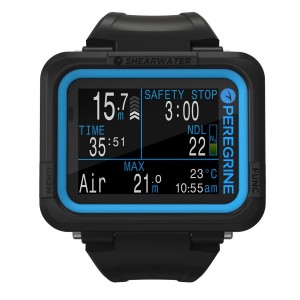
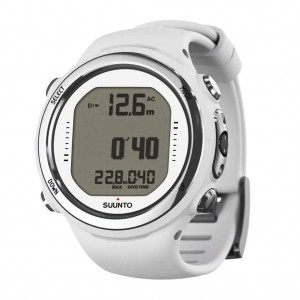
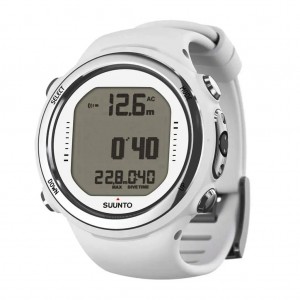
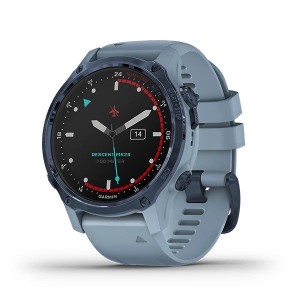
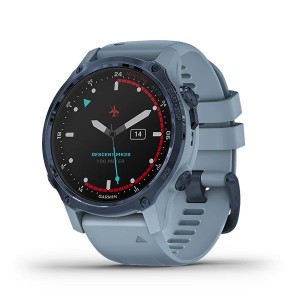
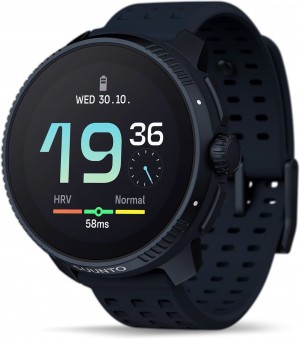
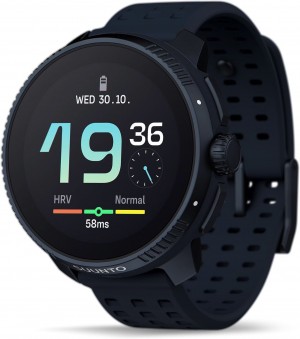
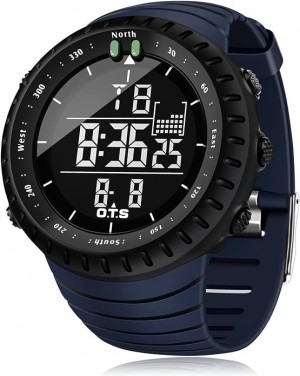
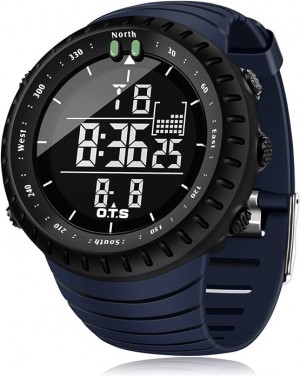
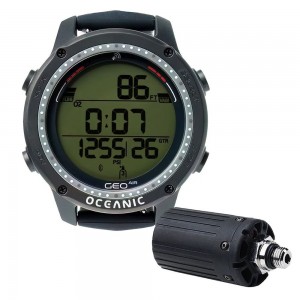
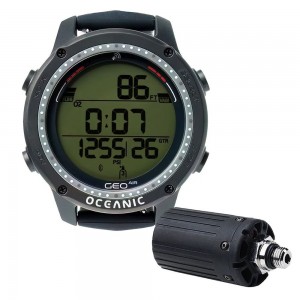
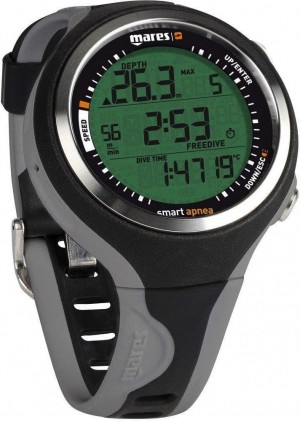
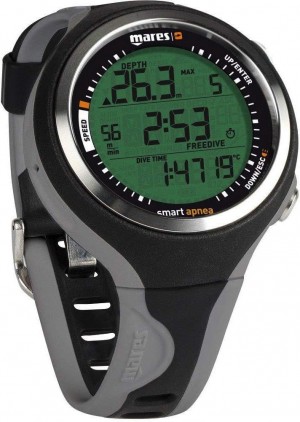
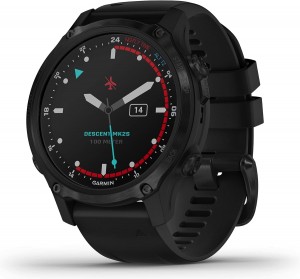
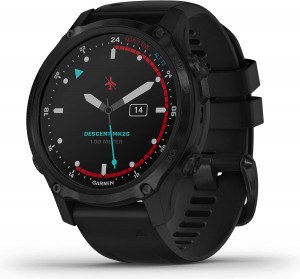
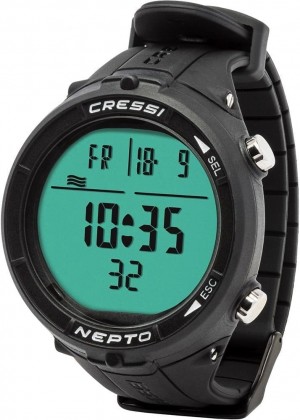
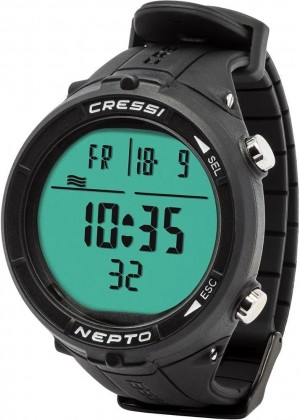
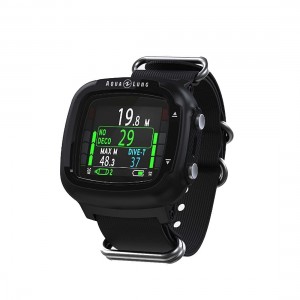
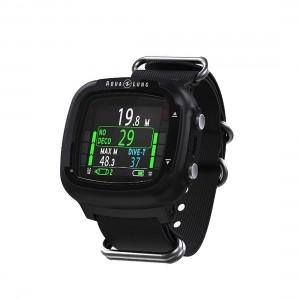
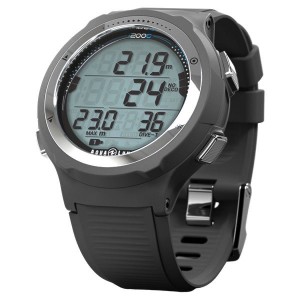
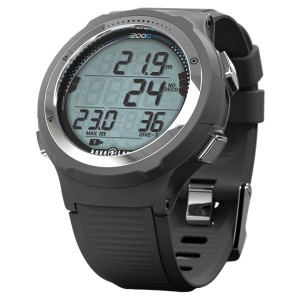
Wrist-Mounted: These resemble large watches and are popular for their portability and ease of use.
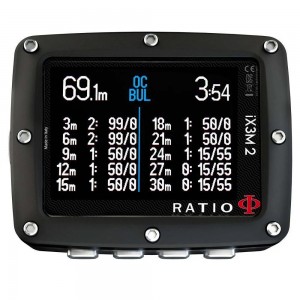
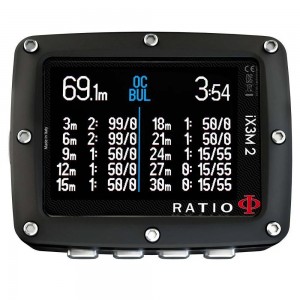
Console-Mounted: These are attached to the regulator hose, combining your depth and air pressure gauges into one unit.
Beyond tracking depth and time, many computers offer Air Integration, which wirelessly connects to your tank to tell you exactly how many minutes of breathing gas you have left.Most also include Nitrox compatibility, allowing you to use oxygen-enriched air for even longer dives.
The Bottom Line
Whether you are exploring a shallow reef in Phuket or a deep wreck in the Red Sea, a dive computer eliminates guesswork.By providing audible alarms for fast ascents and visual countdowns for safety stops, it acts as an underwater co-pilot, letting you focus on the beauty of the ocean while it handles the math of survival.


 2026
2026